Source Cup Washer for Coffee Shops, Industry, and Cleaning
Compare 30 cup washer options from verified Chinese suppliers offering stainless steel and carbon steel materials. Buyers can evaluate customization, certifications, and delivery times for coffee shops, industrial applications, and cleaning tasks; compare the available evidence and request quotations based on your requirements.
Key considerations
Products List


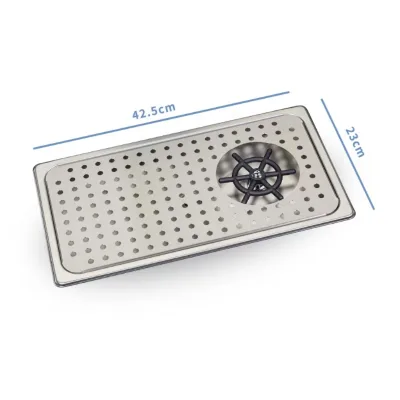
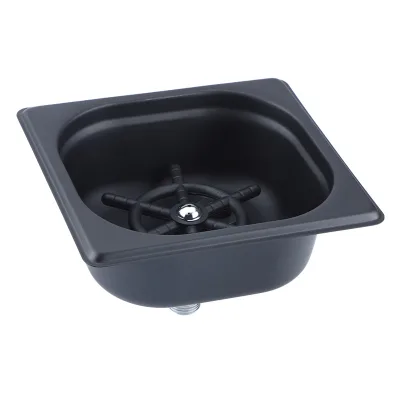
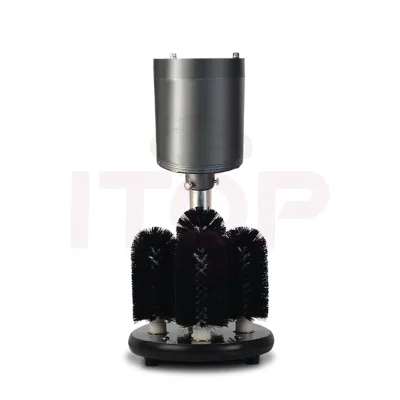
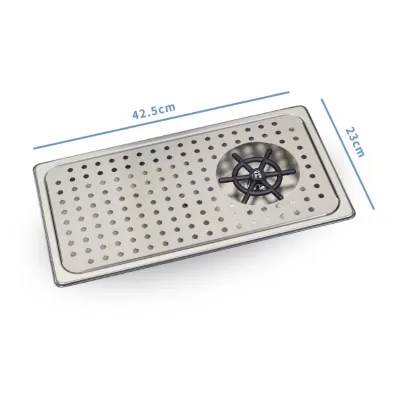


Comprehensive Sourcing Guide
Cup Washer Sourcing Guide
Sourcing cup washers requires a nuanced understanding of their dual role as both functional fasteners and specialized cleaning components. In industrial contexts, these items often serve as lock washers or spring washers designed to prevent loosening under vibration, while in commercial settings, they may refer to rinse mechanisms for coffee equipment. Buyers must first clarify whether the procurement need is for mechanical hardware or sanitary cleaning parts, as the material specifications and quality standards differ significantly between these applications.
The market offers a wide variety of configurations, ranging from standard metal washers to customized OEM solutions. Observations indicate that suppliers provide options in stainless steel and carbon steel, with structures classified as Type A or Type B. This diversity allows for tailored procurement strategies, but it also demands rigorous verification of product models and dimensions. Understanding the specific mechanical or sanitary requirement is the foundational step before engaging with suppliers or requesting quotes.
Product Scope and Observed Listing Signals
The current market landscape for cup washers reveals a broad spectrum of product types, including lock washers, spring washers, and specialized rinse units. Listings frequently highlight attributes such as "Fish Eye Washer Spring Washer" and specific models like CY006-304SUS15 or CR rinser016. These signals suggest that buyers can find both standard mechanical fasteners and niche cleaning equipment in the same search results. It is crucial to distinguish between hardware intended for structural integrity and components designed for hygiene and fluid management.
Pricing and minimum order quantities (MOQ) vary widely, with observed price ranges extending from zero to over one hundred seventy-five dollars and MOQs starting as low as one unit. This variability reflects the difference between bulk commodity fasteners and specialized, low-volume industrial parts. Some suppliers offer free samples and emphasize fast delivery, indicating a competitive market for standard items. Buyers should use these signals to gauge supplier responsiveness and inventory depth, ensuring that the chosen vendor can meet both immediate and long-term supply needs.
Technical Specifications to Verify
Technical verification begins with confirming the material composition, as listings indicate options in stainless steel and carbon steel. Stainless steel variants often feature rust-resistant properties, making them suitable for corrosive environments or sanitary applications. Buyers must verify the exact grade of stainless steel, such as 304 or 316, to ensure compatibility with the operating environment. For carbon steel options, surface treatment and coating specifications are critical to prevent corrosion and ensure longevity in demanding industrial conditions.
Dimensional accuracy and standard compliance are equally important. Specifications may reference metric or imperial measurements, with sizes ranging from M3 to M10 for fasteners. Buyers should cross-reference product dimensions, such as 22.511.55.5mm, against relevant DIN, ASME, BS, JIS, or GB standards. Additionally, structural types like A Type or B Type combination washers must be matched to the specific mechanical load and vibration requirements of the assembly. Misalignment in these technical details can lead to premature failure or assembly issues.
Compliance and Safety Documentation
Compliance documentation is essential for verifying the quality and safety of cup washers, particularly in regulated industries. Suppliers often provide certifications such as ISO, RoHS, SGS, and TUV, which indicate adherence to international quality and environmental standards. Buyers should request copies of these certificates to ensure that the materials and manufacturing processes meet the required regulatory frameworks. This is especially critical for products used in food service or medical applications, where material safety is paramount.
Testing reports provide additional assurance of product reliability. Salt spray tests are commonly mentioned to verify corrosion resistance, a key factor for metal washers exposed to moisture or chemicals. Buyers should inquire about the duration and conditions of these tests to assess the expected lifespan of the components. Furthermore, warranty terms, such as a two-year guarantee, can serve as an indicator of supplier confidence in their product quality. Verifying these documents helps mitigate the risk of receiving substandard or non-compliant materials.
Cost Drivers and Commercial Terms
Cost drivers for cup washers include material selection, customization requirements, and order volume. Stainless steel and customized OEM services typically command higher prices due to increased material costs and manufacturing complexity. Buyers should evaluate whether standard or customized parts best fit their budget and technical needs. Additionally, packaging methods, such as small box packing, bulk packing, or wooden cases, can impact shipping costs and handling efficiency, influencing the total landed cost.
Commercial terms vary among suppliers, with payment options including T/T, L/C, PayPal, and Western Union. Delivery times are often cited as 3-15 days, indicating a relatively fast turnaround for standard items. Buyers should negotiate clear terms regarding sample availability, as some suppliers offer free samples to facilitate evaluation. Understanding these commercial dynamics allows for better budget planning and risk management, ensuring that the procurement process aligns with financial and operational constraints.
Supplier Qualification and Quality Control
Supplier qualification involves assessing their manufacturing capabilities and quality control processes. Buyers should verify the supplier's origin, with many listing Jiangsu, China, as a production hub, which is known for its robust manufacturing infrastructure. Inquiring about processing types, such as shaping metal or hot stamping, helps determine the supplier's technical expertise. Suppliers offering OEM or ODM services demonstrate flexibility and the ability to meet specific design requirements, which is valuable for customized projects.
Quality control measures should be explicitly defined in the procurement agreement. Buyers should request information on inspection protocols, including final product checks and batch testing. Suppliers with a history of providing high-quality products and adhering to standard specifications are preferable. Additionally, verifying the supplier's ability to handle large volumes, as indicated by MOQs up to 10,000 units, ensures scalability. Establishing a strong relationship with a qualified supplier reduces the risk of quality inconsistencies and supply chain disruptions.
Long-Term Procurement Checks
Long-term procurement success depends on continuous monitoring of supplier performance and product quality. Buyers should establish key performance indicators (KPIs) related to delivery times, defect rates, and responsiveness to issues. Regular audits or third-party inspections can help maintain quality standards over time. Additionally, staying informed about changes in industry standards and regulations ensures that the procured cup washers remain compliant with evolving requirements.
Building a diversified supplier base can mitigate risks associated with single-source dependencies. Buyers should periodically evaluate alternative suppliers to ensure competitive pricing and availability. Maintaining open communication with suppliers regarding future needs and potential design changes fosters a collaborative partnership. By proactively managing these relationships and monitoring performance, buyers can ensure a stable and reliable supply of cup washers, supporting long-term operational efficiency and cost-effectiveness.
FAQs
What is a cup washer and how does it function in an assembly?
A cup washer is a washer with a countersunk, cup-shaped profile that lets a flat or oval head screw sit flush while distributing load across the surface. It is commonly paired with lock washer functions to resist loosening under vibration. Buyers should confirm material, size range, and applicable standards before ordering.
Which material options are available for cup washers?
Stainless steel and carbon steel are the material options listed for these cup washer products. Stainless steel offers better rust resistance, while carbon steel suits general industrial use. Material choice should match the operating environment, since listings note features such as rust resistance and salt spray testing for corrosion performance.
Can cup washers be customized to specific requirements?
Yes, customization is available, and OEM or ODM service is offered on listed products. Buyers can request customized colors and other attributes according to their needs. When requesting customization, provide drawings or samples, confirm the applicable standard such as DIN, ASME, or GB, and agree on packaging and lead time before production.
Which size ranges and standards do listed cup washers cover?
Listed products cover specifications such as M3-M10 and models with defined dimensions like 22.5*11.5*5.5mm, with some items offered in all sizes. Applicable standards include DIN, ASME, BS, JIS, AS, EN, and GB, and measurements are available in metric and imperial inch. Confirm the exact size and standard for your application with the supplier.
How fast can cup washer orders be delivered?
Delivery time is listed as 3-15 days, and some items are noted as in stock with fast delivery. Actual timing depends on order quantity, customization level, and the supplier's current stock. Sample availability is also noted as free on certain listings, which helps verify quality before committing to a full production order.
What certifications and quality testing apply to these cup washers?
Listed products reference certifications including ISO, RoHS, SGS, and TUV, along with salt spray testing to verify corrosion resistance. Quality is described as high quality, and a two-year warranty is noted on certain listings. Buyers should request certificate copies and test reports for the specific batch before placing volume orders.